Health and Safety Policy for Kennington Cleaners
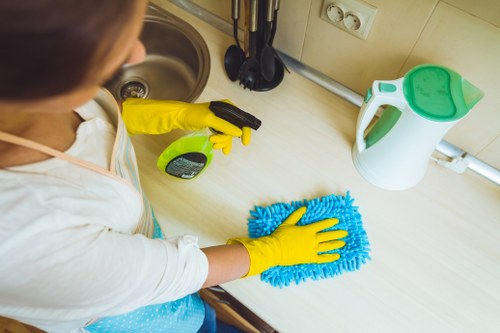 At Kennington Cleaners, health and safety is a core part of how we work every day. Our cleaning safety policy is designed to protect staff, clients, visitors, and anyone who may be affected by our activities. We believe that a safe workplace supports reliable service, consistent quality, and a professional environment where risks are identified early and managed properly.
We are committed to following safe working practices across every cleaning task, from routine upkeep to specialist treatments. This includes using equipment correctly, handling materials responsibly, and making sure that all cleaning operations are carried out with care, attention, and control. We aim to prevent accidents, reduce hazards, and maintain high standards without compromising wellbeing.
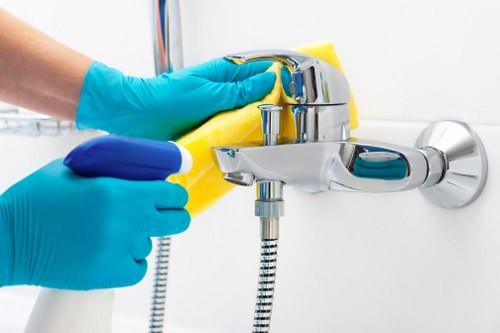 Our approach to health and safety for cleaners is based on prevention. We assess the environment before work begins, look for possible hazards, and choose the safest method for each job. This includes considering slippery floors, electrical equipment, chemicals, manual handling, trip risks, and any area where cleaning work may affect others nearby.
Our Commitment to Safe Working
Every member of the team is expected to follow safe procedures and take responsibility for their own actions. We provide clear instructions so that cleaning tasks are completed in a way that protects people and property. Where needed, staff are trained to use protective equipment, follow product guidance, and report concerns immediately.
We recognise that a strong cleaning health and safety policy depends on proper communication. Supervisors and workers are expected to share information about hazards, changing conditions, and any incident that could affect safety. This helps us act quickly, make improvements, and avoid repeated problems.
Our standards also cover the safe storage, handling, and disposal of cleaning materials. Products must be used only for their intended purpose, kept in suitable containers, and stored away from unauthorised access. This reduces the risk of exposure, contamination, and accidental misuse.
Risk Assessment and Safe Methods
 Before any task is started, we carry out a proportionate risk assessment. This means checking the work area, identifying hazards, and deciding what control measures are needed. The assessment may consider wet surfaces, limited ventilation, fragile surfaces, public access, or the presence of vulnerable individuals.
Once risks are understood, we use the safest practical method. This may involve working in stages, keeping areas cordoned off, using warning signs, or selecting equipment that is appropriate for the surface and setting. In our cleaning operations, no task should be rushed if it creates avoidable danger.
Training is essential to safe performance. Staff are taught how to lift and move items correctly, how to avoid overexertion, and how to use mops, vacuums, and other tools without creating unnecessary strain. We encourage a culture where asking for guidance is considered good practice, not a weakness.
Protective Measures and Equipment
Personal protective equipment may be required depending on the nature of the work. Gloves, footwear, eye protection, and other items are used when they help reduce risk. Equipment must be kept in good condition and used in line with instructions. If an item is damaged or unsuitable, it should be removed from use until it is safe again.
We also make sure that cleaning machinery is operated responsibly. Leads, plugs, and moving parts must be checked before use, and equipment should be switched off when not in operation. This is particularly important when working around moisture, electrical sockets, or busy spaces where others may pass through.
Where chemical products are involved, we take extra care to prevent harmful contact or reactions. Labels, dilution instructions, and safety advice must be followed accurately. We do not mix products unless it is specifically approved and safe to do so. Good ventilation is used whenever necessary to reduce fumes and maintain a healthy environment.
Incident Reporting and Continuous Improvement
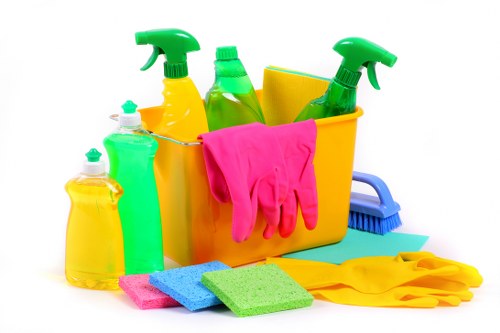 Any accident, near miss, or safety concern must be reported as soon as possible. Prompt reporting allows us to investigate what happened, support anyone affected, and put measures in place to prevent recurrence. This process is an important part of our commercial cleaning safety policy and helps us learn from experience.
We review our procedures regularly so that our working methods remain effective and up to date. If a new risk appears, or if a task changes, the relevant controls are adjusted accordingly. This includes updating instructions, refreshing training, or changing equipment if that is the safest option.
Health and safety is not treated as a separate subject from quality; both are connected. A well-managed cleaning service depends on preparation, discipline, and respect for the working environment. By keeping safety central to our operations, we support better outcomes for everyone involved.
Roles, Responsibilities, and Safe Culture
Managers are responsible for setting clear expectations, ensuring suitable procedures are in place, and supporting staff with the resources they need to work safely. Cleaners are responsible for following instructions, using equipment properly, and raising concerns when something does not seem right. Everyone plays a role in keeping conditions controlled and dependable.
We encourage open communication, careful observation, and steady improvement. A strong health and safety policy for cleaning teams should be practical, understandable, and actively used. For that reason, our policy is not just a document; it is part of our everyday working standard.
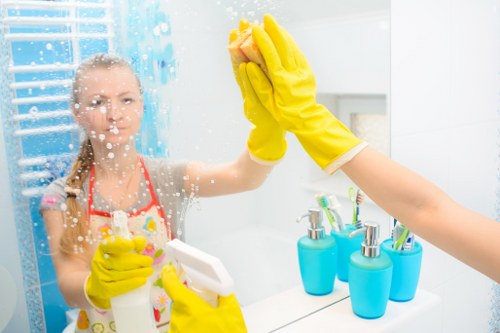 At Kennington Cleaners, we are committed to maintaining a safe, respectful, and well-managed service. By following this policy, we aim to protect wellbeing, reduce risk, and deliver professional cleaning with confidence and responsibility.