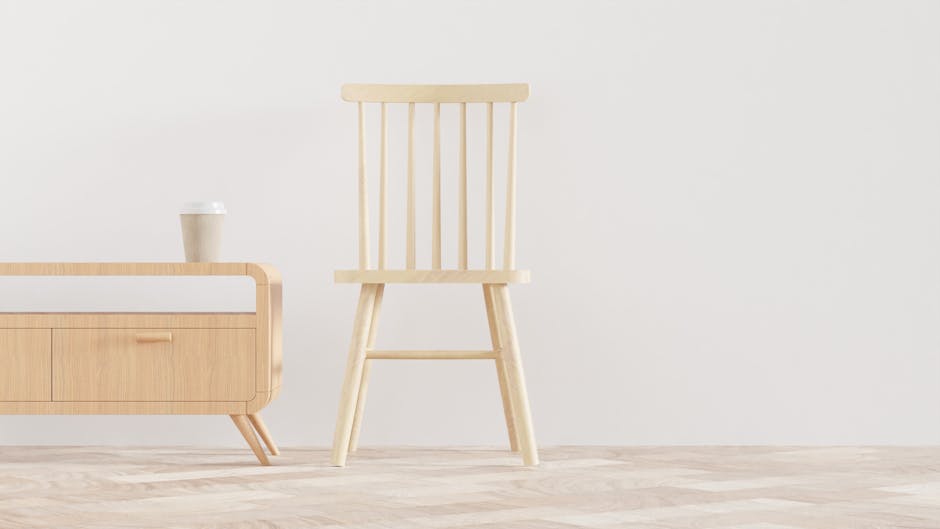
Furniture disposal after deep cleaning in Kennington

Deep cleaning gives a room that fresh-start feeling you can almost hear in the silence afterwards. The dust has gone, the floors look brighter, and suddenly the old sofa, wobbly chair, or stained sideboard stands out for all the wrong reasons. That is where furniture disposal after deep cleaning in Kennington becomes the natural next step. It is not just about getting rid of bulky items. It is about finishing the reset properly, protecting the cleaner result, and making the space genuinely usable again.
If you have just had a deep clean, you may be looking at a pile of items that are no longer worth keeping: broken furniture, worn-out pieces, or things that simply do not fit the room anymore. Truth be told, leaving them in place can undo a lot of the benefit you just paid for. This guide walks you through how furniture disposal works, when it makes sense, what to avoid, and how to handle it neatly in Kennington without turning the whole thing into a weekend headache.
Why furniture disposal after deep cleaning in Kennington matters
Deep cleaning and furniture disposal often belong together, even if people do not plan them that way. Once a space has been cleaned properly, clutter and worn-out furniture become much more obvious. A battered wardrobe in a freshly cleaned bedroom, for example, will draw the eye immediately. It can also trap dust, block access to skirting boards, and make future cleaning harder than it needs to be.
In Kennington, where homes can range from compact flats to larger terraces and mixed-use properties, space is often at a premium. Keeping furniture that no longer serves you can make a room feel smaller, darker, and more difficult to maintain. A clean room with a broken chest of drawers still feels unfinished. Let's face it, that half-sorted corner nags at you every time you walk past.
There is also a practical side. Some furniture is too heavy, too bulky, or too awkward to move safely without a plan. After a deep clean, the last thing you want is scuffed walls, dirty footprints, or damaged flooring from dragging a sofa out at the last minute. Good disposal timing helps preserve the result you have already achieved.
And then there is the emotional side, which people do not always say out loud. Replacing or clearing furniture after a major clean can feel like a reset. A little dramatic? Maybe. But if you have just cleared dust from behind old cabinets and found yourself thinking, "Why am I keeping this?", you will know exactly what I mean.
How furniture disposal after deep cleaning in Kennington works
The process is usually simpler than people expect, but it works best when it is organised. In most cases, it starts with identifying which items are staying, which items need repair, and which should go. After that, the actual removal depends on the size, condition, and type of furniture.
For small, easy-to-carry items, a planned move-out can be straightforward. Bigger items need more care. A sofa, wardrobe, bed frame, dining table, or filing cabinet may need two people, protective gloves, suitable lifting technique, and a clear route out of the property. If the item is being removed after a deep clean, there is a good chance the surrounding surfaces are still spotless, so it pays to be a bit careful. No one wants muddy shoe marks on a freshly cleaned carpet.
Furniture disposal can involve several pathways:
- Reuse or donation if the item is still in decent condition
- Collection for bulky waste where available and appropriate
- House clearance for larger volumes or mixed contents
- Licensed waste removal for damaged, unsellable, or unsalvageable items
Where possible, the better approach is to sort items before collection. That gives you a clearer idea of what is reusable, recyclable, or destined for disposal. It also prevents the all-too-common "I'll deal with it later" pile from sitting in the hallway for another three weeks. We have all seen that pile. It has a life of its own.
If you are already arranging other cleaning services, it can make sense to coordinate them. For example, some households schedule a deeper refresh alongside deep cleaning, then follow up with disposal or house clearance once the space has been assessed properly. That sequence keeps decisions easier and the work more efficient.
Key benefits and practical advantages
Furniture disposal after cleaning is not just a tidy-up task. Done well, it creates a few clear benefits that are easy to feel straight away.
- Better use of space: Removing unnecessary furniture opens up circulation, storage options, and natural light.
- Cleaner finishes: With bulky pieces out of the way, it is easier to clean floors, skirting, corners, and behind large items.
- Safer living conditions: Broken furniture, unstable shelving, or overloaded cupboards can create trip hazards and minor injuries.
- Improved air quality feel: Old upholstery and dusty furniture can hold odours and allergens, especially if the room has not been refreshed in a while.
- Smoother redecorating: If you are repainting, replacing flooring, or redesigning the room, disposal clears the path for the next stage.
- Lower mental clutter: A room with fewer unnecessary items simply feels calmer. That matters more than people admit.
There is also a very practical maintenance benefit. Once you have removed furniture that has become hard to clean around, future housekeeping tends to be easier and faster. If a sofa blocks the radiator or a cabinet traps dust in a narrow corner, every cleaning job becomes a little more awkward than it needs to be. Remove the obstacle, and the rest of the room suddenly behaves better.
Quick takeaway: if a piece of furniture is making the room harder to clean, harder to use, or harder to enjoy, disposal after deep cleaning is often not just sensible - it is the cleanest way to finish the job properly.
Who this is for and when it makes sense
This service makes sense for a wide range of people, and not only when furniture is completely ruined. In fact, many disposal decisions happen because the item is still technically usable but no longer practical.
You may need furniture disposal after a deep clean if you are:
- moving out of a flat or house in Kennington
- preparing a property for new tenants or buyers
- decluttering after a long period of accumulation
- replacing old pieces with newer, more space-efficient furniture
- dealing with damage, stains, odours, or wear that cleaning cannot fix
- refreshing a rental, Airbnb, office, or shared property
It also makes sense for landlords and letting agents who need a property to look clean and ready, not just cleaned. A room can be freshly scrubbed and still feel neglected if the old wardrobe is half-broken and leaning at a strange angle. Tenants notice that. Visitors notice it too. Everyone notices it, really.
For businesses, the logic is similar. Office furniture that has become cramped, damaged, or outdated can make a workspace feel untidy even if the cleaning standard is high. That is where a broader service plan, such as commercial cleaning alongside furniture removal, can create a more professional finish.
There are also times when disposal is the better choice over cleaning or repair. If upholstery has persistent odour, the frame is damaged, or the piece no longer suits the room, further cleaning may not be worth the money or effort. A good rule of thumb: if cleaning would only mask the problem rather than solve it, it is probably time to let the item go.
Step-by-step guidance
If you want the process to feel manageable, work through it in order. Rushing the decision stage is where people tend to create mess, stress, and extra lifting later on.
- Review the room after cleaning. Stand back and look at the space as a whole. Which items still earn their place?
- Sort furniture into three groups. Keep, repair, or remove. Be honest here. That chair with the broken leg is not "vintage charm" anymore.
- Check size, weight, and access. Measure doorways, stair turns, lift access, and any narrow hallways before planning removal.
- Decide whether items can be reused. A decent table or chest of drawers may be suitable for donation or resale if it is clean and stable.
- Separate recycling from disposal where possible. Some furniture has components that can be handled differently depending on material and condition.
- Protect the cleaned area. Use blankets, gloves, and careful lifting to avoid scratching floors or knocking walls.
- Arrange collection or removal. Choose the method that fits the volume of furniture, the access to the property, and the urgency of the job.
- Do a final sweep. Check corners, under radiators, and behind where the furniture stood. Small debris has a sneaky way of hiding.
A helpful approach is to remove the biggest items first, then deal with the rest. If a room still feels full after cleaning, the problem is usually volume, not dirt. Once the bulky pieces go, the space starts to make sense again.
If the furniture was part of a bigger changeover, you might also combine the process with move-out cleaning or move-in cleaning. That is especially useful when you need one space left ready for the next person without having to coordinate multiple separate visits at odd times.
Expert tips for better results
A few small habits make the whole process cleaner, safer, and much less annoying. Nothing fancy. Just practical stuff that saves time later.
- Photograph items before moving them. If there is a dispute over condition, or you want a record for insurance or tenancy purposes, photos help.
- Empty drawers and shelves first. It sounds obvious, but people still try to carry a bookcase with six mugs and a charger lead inside. That rarely ends well.
- Use the right lifting method. Bend knees, keep the load close, and do not twist while carrying. Basic, yes, but worth repeating.
- Check for hidden screws or fixings. Flat-pack furniture often comes apart more easily than expected if you look for the fixings first.
- Protect newly cleaned surfaces. Put down temporary coverings if you are moving anything large through a clean hallway or living room.
- Schedule disposal before the room fills up again. Once new furniture arrives or belongings drift back in, the job gets harder.
One small but useful tip: if the item smells musty, damp, or heavily of smoke, do not assume that cleaning will restore it. Upholstery and particleboard can hold odours stubbornly. Sometimes the honest answer is simply that the piece has reached the end of its useful life.
In our experience, the most efficient jobs are the ones where the disposal decision is made early, not after everyone has already started shifting things around. You can feel the difference. Less faffing, more progress.
Common mistakes to avoid
Furniture disposal after cleaning looks simple on paper. In practice, a few recurring mistakes cause most of the trouble.
- Keeping "maybe" furniture for too long. If you are still undecided after the deep clean, set a deadline. Otherwise it stays forever.
- Forgetting about access. A sofa that fits in the room might still be impossible to get out without removing a door or using a different route.
- Dragging furniture across cleaned floors. That can scratch wood, scuff laminate, or leave marks on freshly cleaned carpets.
- Mixing junk with reusable items. This makes sorting harder and can reduce the chance of reuse.
- Ignoring safety risks. Heavy wardrobes and bed bases can tip, pinch fingers, or block exits.
- Leaving disposal until the last minute. This is the classic one. The room is clean, the van is booked too late, and now everything feels rushed.
Another common issue is underestimating how much time it takes to clear a room properly. A chair may take seconds; a full bedroom suite is another matter entirely. If you are on a tight schedule, build in more time than you think you need. A bit of slack makes the whole thing feel less chaotic.
And yes, there is always one item that looks light but is somehow awkward in every possible way. That is just furniture being furniture.
Tools, resources and recommendations
You do not need a warehouse full of kit to handle furniture disposal well. A few practical tools and sensible preparations go a long way.
- Gloves: Useful for grip and for protecting hands from rough edges, dust, or splinters.
- Furniture sliders or blankets: Helpful when moving items across floors without causing damage.
- Basic hand tools: A screwdriver or Allen key set can help dismantle flat-pack pieces.
- Measuring tape: Handy for checking door widths, stair turns, and lift dimensions.
- Labels or tape: Good for marking items that are staying, being donated, or being taken away.
- Heavy-duty bags or boxes: Useful for screws, fittings, and small parts you want to keep together.
For larger or more awkward jobs, a professional cleaning and clearance plan can be easier than trying to do everything piecemeal. If you are already organising upholstery or soft furnishing refreshes, services such as upholstery cleaning, sofa cleaning, or house cleaning may also help you decide whether an item is worth keeping.
If the room contains lingering stains, odours, or heavy use marks, you may also want to consider specialist support such as stain removal, pet stain odour removal, or mattress cleaning before deciding on disposal. Sometimes a proper treatment buys the item more time. Sometimes it confirms your suspicions. Either way, you know where you stand.
Law, compliance, standards and best practice
Furniture disposal in London should be handled responsibly. The main principle is simple: do not dump bulky items on the street, in communal areas, or in places where they could create hazards or obstruct access. That includes stairwells, pavements, entrances, and shared hallways. If you live in a managed block, it is worth checking building rules before arranging removal.
Best practice also means using a responsible disposal route for items that cannot be reused. In practical terms, that means choosing a service or method that handles waste carefully, sorts materials sensibly where possible, and keeps the process safe for residents and neighbours. If a company is removing furniture from your property, it should also be clear about insurance and safety arrangements. A trustworthy approach should feel orderly, not vague.
Recycling and reuse matter too. Furniture often contains different materials - wood, metal, textiles, foam, fixings - so a thoughtful disposal process can reduce waste. You do not need to be an expert in materials science to make a decent choice. Just aim for the route that gives usable items the best chance of being reused and the rest the cleanest possible handling.
For peace of mind, it is also sensible to review a provider's policies on safety, payment, and customer handling before booking. Useful references on the site include health and safety, insurance and safety, recycling and sustainability, and terms and conditions. Those details may feel dull at first glance, but they matter when a bulky item needs careful handling and you want to know who is responsible for what.
If you are arranging paid services, it is also sensible to understand pricing, scope, and payment terms in advance. The easiest jobs are the ones where expectations are clear before anyone turns up with a van.
Options and comparison table
There is no single right way to handle furniture disposal after a deep clean. The best choice depends on condition, urgency, access, and how much effort you want to spend. Here is a simple comparison.
| Option | Best for | Pros | Things to watch |
|---|---|---|---|
| Reuse or donation | Furniture in good condition | Reduces waste, can help others, may be simple if item is clean and usable | Not suitable for damaged, stained, or unstable items |
| Bulky waste collection | Single large items or a small number of pieces | Convenient and usually straightforward | May require planning, access checks, or booking in advance |
| House clearance | Multiple items, whole rooms, or mixed contents | Covers more in one go, useful after deep cleaning or move-out | Needs clear sorting and good communication about what stays |
| Professional disposal with cleaning coordination | Busy households, landlords, and business spaces | Efficient, organised, less back-and-forth | Choose a provider with clear safety and insurance standards |
For many people in Kennington, the most practical choice is a combination: a deep clean first, then a focused clearance of anything that still makes the room feel crowded. That sequence tends to produce the best before-and-after effect. You can see the room breathe again, which sounds dramatic, but is strangely accurate.
Case study or real-world example
A typical example might be a two-bedroom flat in Kennington that has not been fully reset in years. The owner books a deep clean before new tenants move in. Once the cleaners finish, the old sofa, a damaged bedside table, and a bulky bookcase become the main obstacles to presenting the flat properly.
The sofa is cleanable but sagging and difficult to place. The bedside table has water damage on one corner. The bookcase is sturdy but too large for the new layout. Instead of trying to keep everything, the owner sorts the items into three decisions: one item for possible reuse, one for disposal, and one to remove because it no longer fits the room plan.
After measuring the hallway and door swing, the owner arranges a removal plan and clears the space without disturbing the freshly cleaned surfaces. The result is simple but noticeable: the flat feels larger, the rooms are easier to maintain, and the letting photos look cleaner and calmer. Nothing magical. Just a better sequence.
That is the real lesson. Furniture disposal works best when it is treated as the final part of the cleaning process, not an afterthought. Once you start viewing it that way, the job gets clearer and less stressful. A room should not just be clean. It should feel ready.
Practical checklist
Use this checklist before you arrange furniture disposal after deep cleaning in Kennington.
- Have you identified which items are staying, being repaired, or going?
- Have you checked whether any furniture can be reused or donated?
- Have you measured doors, halls, stairs, and lift access?
- Have you cleared drawers, shelves, and hidden compartments?
- Have you protected floors, walls, and newly cleaned surfaces?
- Have you separated small fixings and loose parts safely?
- Have you planned how the largest items will leave the property?
- Have you confirmed the disposal method suits the item's condition?
- Have you checked any building or tenancy rules that apply?
- Have you allowed enough time to finish without rushing?
If you can tick most of those off, you are in good shape. If not, pause for a moment and sort the awkward bits first. That small bit of organisation usually saves the biggest amount of stress.
Conclusion
Furniture disposal after deep cleaning in Kennington is really about finishing the job properly. A freshly cleaned room still needs the right contents, the right layout, and the right level of clutter. Remove the furniture that no longer belongs, and the whole space starts to work better - visually, practically, and sometimes emotionally too.
Whether you are clearing a single tired armchair or planning a fuller room reset, the best results come from good timing, careful lifting, and honest decisions about what is worth keeping. Keep the process simple. Keep it safe. And do not be afraid to let go of the things that are just taking up space.
Get a free quote today and see how much you can save.
When the last bulky piece finally leaves and the room settles into quiet again, you can feel the difference straight away. That clean, open pause is often the start of something better.
Frequently Asked Questions
What is the best time to arrange furniture disposal after a deep clean?
The best time is usually immediately after the deep clean, while the room is still clear and you can judge what actually belongs there. That way, you are not guessing based on clutter or dust.
Can I keep furniture if it has only minor wear?
Yes, if it is still stable, practical, and not making the room harder to clean or use. Minor wear is often fine. The key question is whether the item still earns its space.
Should furniture be cleaned before disposal?
It is usually a good idea to give items a quick wipe or vacuum if they are going for reuse or donation. For outright disposal, a full clean is not always necessary, but it can help with handling and sorting.
What furniture is hardest to dispose of after cleaning?
Large wardrobes, heavy sofas, bed frames, and awkward office cabinets are often the trickiest. They may need careful dismantling or extra help to avoid damage to newly cleaned surfaces.
Is it worth repairing furniture instead of disposing of it?
Sometimes, yes. If the item is solid, suits the room, and only needs a minor repair, that can be worthwhile. If the fix is expensive or the piece still does not suit the space, disposal may be the better call.
How do I know if furniture can be reused or donated?
Look for structural stability, clean surfaces, and a lack of major staining, odour, or damage. If you would be happy using it yourself, someone else may be too. If not, disposal is usually more appropriate.
Do I need to empty drawers and shelves before removal?
Yes, absolutely. It makes the item safer to move and prevents things from falling out mid-carry. A full drawer turns a simple lift into an awkward little disaster. Not ideal.
What should I do with furniture that smells damp or musty?
If the smell is persistent, consider whether cleaning is enough or whether the item has reached the end of its life. Some materials hold odours stubbornly, especially if moisture has been involved.
Can furniture disposal be combined with other cleaning services?
Yes, and it often works better that way. Many people combine it with deep cleaning, move-out cleaning, or upholstery refresh work so the room is fully ready in one organised sequence.
What should I check before booking a disposal service?
Check how the provider handles safety, insurance, pricing, and waste handling. Clear terms matter. You want to know what will be removed, how it will be done, and what happens if access is awkward.
Is furniture disposal in Kennington different for flats and houses?
The basics are the same, but access can be very different. Flats may involve stairwells, lifts, or shared entrances, while houses may have easier access but more items to shift. Planning matters either way.
What is the biggest mistake people make after a deep clean?
Leaving unwanted furniture in place because they are not quite ready to decide. That indecision is common, but it often means the room never feels fully finished. A clear decision helps the space settle properly.